Data & Trends
How US Aviation Work Is Certified and Tracked
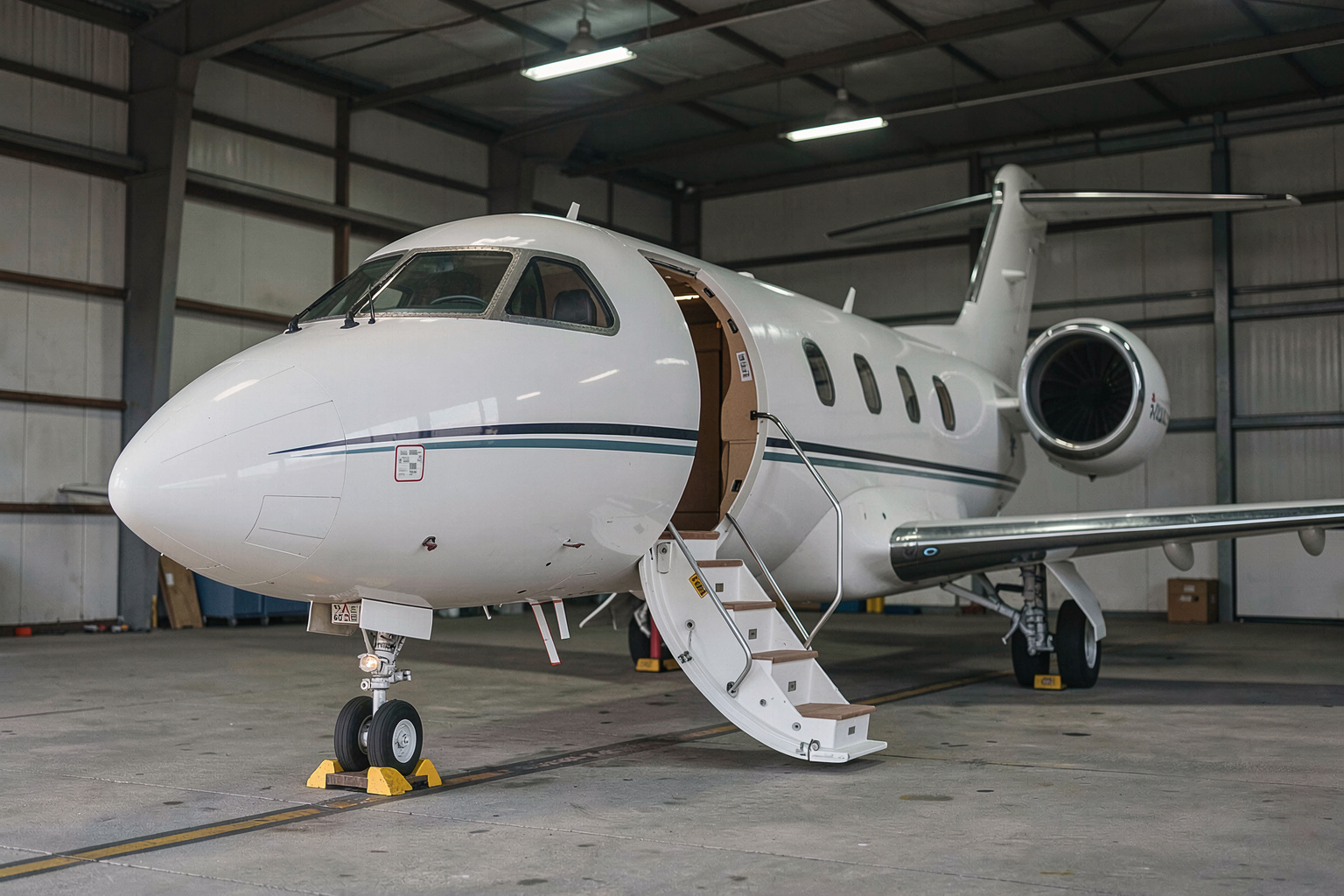
Aviation work in the United States runs on certificates. A pilot, a mechanic, a dispatcher and a line technician each hold a credential that another person does not, and each credential is issued, recorded and verified by a named agency. The certificate decides what work a person may legally perform, and the agency that signs it decides the rules behind that work.
What does aviation work in the United States actually involve?
Aviation work is a set of trades held together by paper. The paper is not a formality. It is the operating licence for the task.
A commercial pilot certificate allows a person to fly for compensation. An airframe and powerplant certificate allows a person to return an aircraft to service after maintenance. A dispatcher certificate allows a person to release a flight. A repair station certificate allows a facility to perform maintenance under its own approved procedures. Each of these documents is issued by a specific agency, and each carries its own record in a public system.
The work itself varies by trade. A line technician moves, fuels and secures aircraft between flights. A mechanic inspects structures, engines and systems, then signs the logbook entry that clears the aircraft for flight. A flight instructor teaches in the air and endorses student records on the ground. A dispatcher builds the flight plan, checks weather and weight, and shares operational control with the pilot.
What ties these roles together is traceability. Every certificate has a number, a holder and a status. Every rule that governs the work has a source. Hangar Ledger maps that structure, naming the agency that holds each rule and pointing to the page where it lives, and stating plainly where the public record stops instead of filling the gap with a guess.
Which agency signs which certificate?
The answer depends on the certificate, not on the job title.
In the United States, most airman certificates and most maintenance approvals come from the Federal Aviation Administration. That includes private, commercial and airline transport pilot certificates, flight instructor certificates, mechanic certificates with airframe and powerplant ratings, dispatcher certificates, and repair station certificates.
Other agencies enter the picture at specific points. The Transportation Security Administration sets security rules that affect flight training for certain aircraft categories and background checks for certain workers. The National Transportation Safety Board investigates accidents and publishes findings that can change how rules are read. The Department of Transportation holds the authority under which the FAA operates.
A person who wants to work in aviation should start with two questions. Which certificate is the goal, and which agency signs it. The rest of the path, including training requirements, testing and record keeping, follows from those two answers.
What does a pilot route require?
The pilot route begins with an eligibility check. A student pilot certificate is the first document, and it requires a minimum age, English proficiency and a medical certificate for most operations.
Training follows at a flight school. The school may be a small part 61 operation or a structured part 141 program. The difference matters because the two paths have different hour requirements and different record keeping rules.
Written knowledge tests come next, administered at approved testing centers. Then a practical test with an examiner, which combines an oral assessment and a flight check. Passing produces a temporary certificate, followed by a permanent one by mail.
Ratings extend the certificate. An instrument rating allows flight in low visibility under instrument flight rules. A multi engine rating allows flight in aircraft with more than one engine. A type rating is required for large aircraft. Each rating has its own training and testing standard.
Currency is separate from certification. A pilot must meet recent experience requirements to carry passengers, and a flight review every two years keeps the certificate usable.
What does a mechanic route require?
The mechanic route has its own structure. The most common credential is the mechanic certificate with airframe and powerplant ratings, usually called an A and P.
Eligibility can be met in several ways. One path is completion of an approved part 147 training program. Another is practical experience gained under the supervision of a certified mechanic, with documented time in airframe work, powerplant work or both.
Testing includes written exams, an oral assessment and a practical test. The practical test requires the applicant to perform actual maintenance tasks and to explain the reasoning behind each step.
Once certified, a mechanic may approve work for return to service within the limits of the ratings held. An inspection authorization is a further endorsement that allows annual inspections and certain major repairs.
Repair stations operate under a separate certificate. A repair station must have approved procedures, trained personnel, an inspection system and a quality control process. Its certificate names the ratings it may exercise.
How are certificates recorded and checked?
Records are the backbone of the system. The FAA maintains a public airman registry that lists certificate type, ratings and status. Employers, insurers and flight schools use it to verify credentials before hiring or enrolling a person.
Aircraft records are separate. Maintenance entries, inspections and airworthiness directives live with the aircraft, not with the person. A logbook entry signed by a mechanic is a legal statement that the work was done to standard.
Training records belong to the school. A part 141 school must keep detailed records of each student's progress, and those records support the certificates the student later applies for.
Where the public record stops, the honest answer is that it stops. Some employment details, internal company procedures and private business arrangements are not part of the public file. A useful reference says so rather than filling the gap.
Why the paper trail matters for safety
The paper trail is not bureaucracy for its own sake. It is the mechanism that connects a person to a task and a task to a standard.
When an aircraft is parked with a chock under the nose wheel, it is stopped for work, not waiting to taxi. That moment is where certificates matter most. The mechanic who signs off, the inspector who checks, and the pilot who accepts the aircraft all rely on records that trace back to an agency rule.
For anyone entering the field, the practical advice is to identify the certificate first, then the agency, then the training path. That order prevents wasted time and money. It also makes every later step, from testing to hiring, easier to verify.
Frequently asked questions
### Can a person hold both a pilot and a mechanic certificate?
Yes. The two certificates are independent, and many people in aviation hold both. Each has its own eligibility, training and testing requirements.
### Does a flight school certificate transfer between countries?
No. A certificate issued by one country's authority does not automatically convert. A separate process, usually involving validation or a new check ride, applies.
### How long does a mechanic certificate take?
Timelines vary. An approved training program typically runs about 18 to 24 months. An experience based path depends on the hours accumulated under supervision.
### Where can a person verify a certificate?
The FAA airman registry is the public source for airman certificate status. Repair station certificates are also listed in public records maintained by the agency.