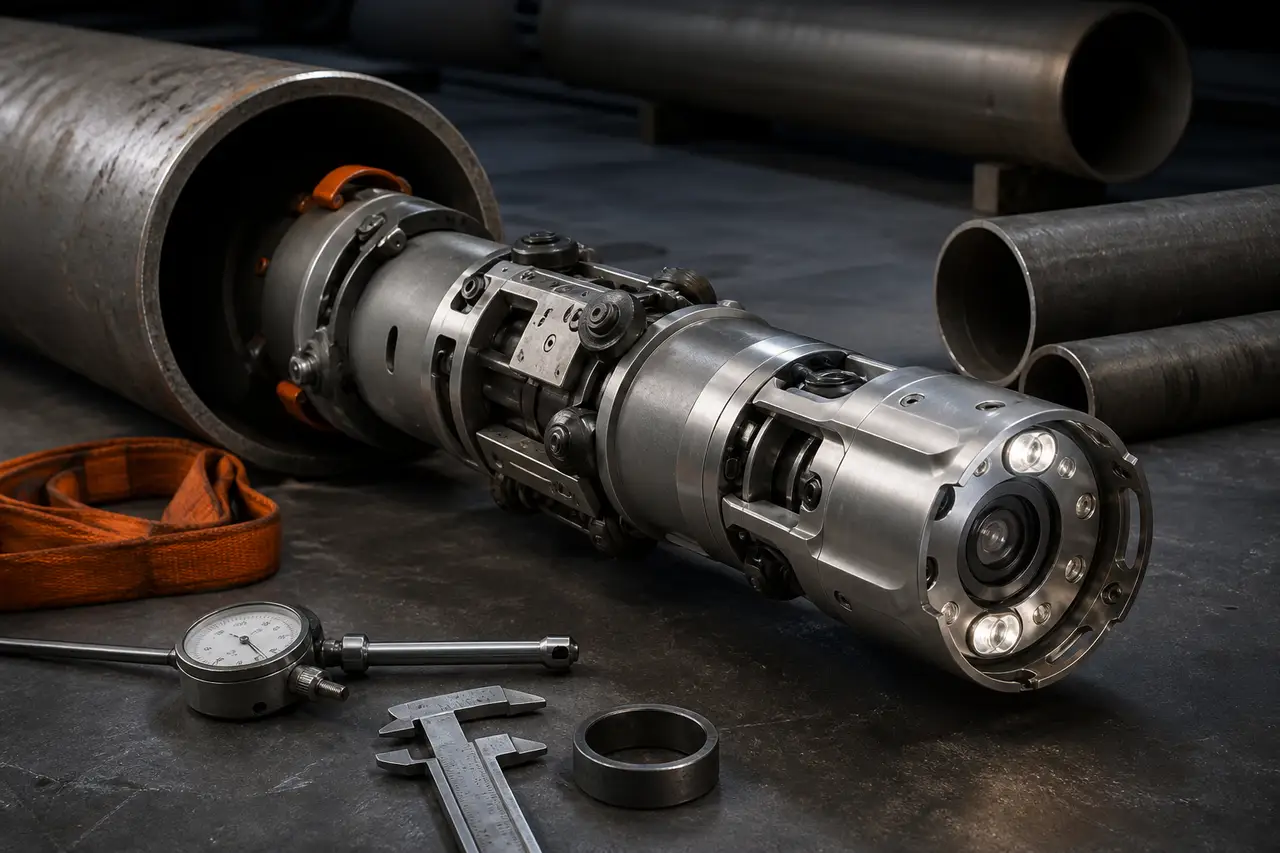
Engineering terms become more useful when they connect to a decision, a record and a limit. This reference provides that working context, then points readers to integrity management and failure-cause reporting where appropriate. This article is prepared by the PipeMag Editorial Desk as part of the pipeline safety topic; continue with the pipeline glossary.
Read the record before the pattern
A source file can be revised, a reporting form can change, and a blank can mean something different from zero. Good technical reading starts with those constraints. It then asks whether the comparison is warranted, rather than forcing a clean-looking conclusion.
| View | Source system | What remains distinct |
|---|---|---|
| Reported field | Original dataset | Source value remains available |
| Normalized view | PipeMag index | Only compatible fields are grouped |
| Derived observation | Documented calculation | Method and denominator are disclosed |
What this page can and cannot establish
PipeMag does not use a single event, a single field or an isolated count to rank operators or declare safety performance. Readers can follow source links, inspect definitions, and use the data methodology to understand what will change when verified snapshots are refreshed.
For operational context, continue with inspection and pigging or the safety-regulations guide. Each route is short by design: the point is to find the next reliable question, not a false final answer.
Primary links are provided for verification. This page was reviewed on August 23, 2026; agency datasets may change after supplemental reporting.
Inline inspection and pigging answer questions about what is inside a pipeline, but the work does not end at the pipe wall. Crews also read the surface, the coating, the right-of-way and the equipment around a launch or receiver, and much of that reading happens under artificial light. Judging a coating flaw or a weld from a photograph or a lamp-lit view depends on how the light source is described, which is where lighting a visual inspection becomes part of the record. The linked page explains how a lighting product's specification is read: lumens against watts, colour temperature and colour rendering, and what a label does and does not establish.